
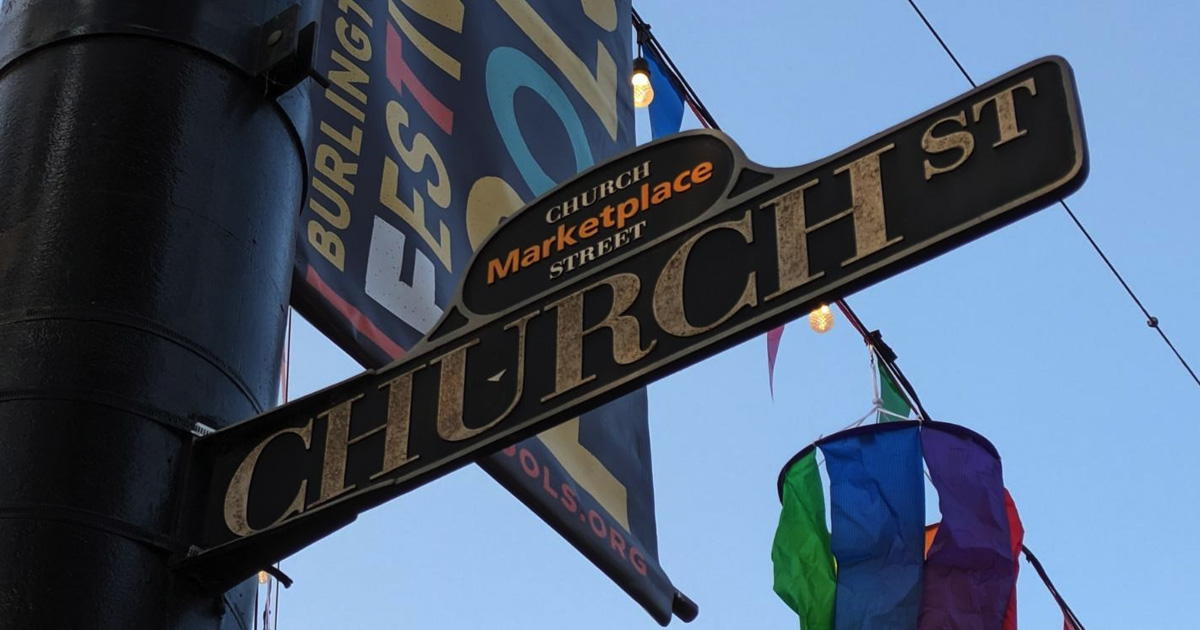
Perhaps unlike the rest of the state, the Queen City features several commissions with an unclear mission to the broader public. Within the walls of these meeting rooms sit power and direct access to many city officials, something The Rake will examine.
Category: News & Analysis

Below is a selection of upcoming events in Vermont relevant to the left. Have an upcoming event? Let us know.
Below is a selection of upcoming events in Vermont relevant to the left.
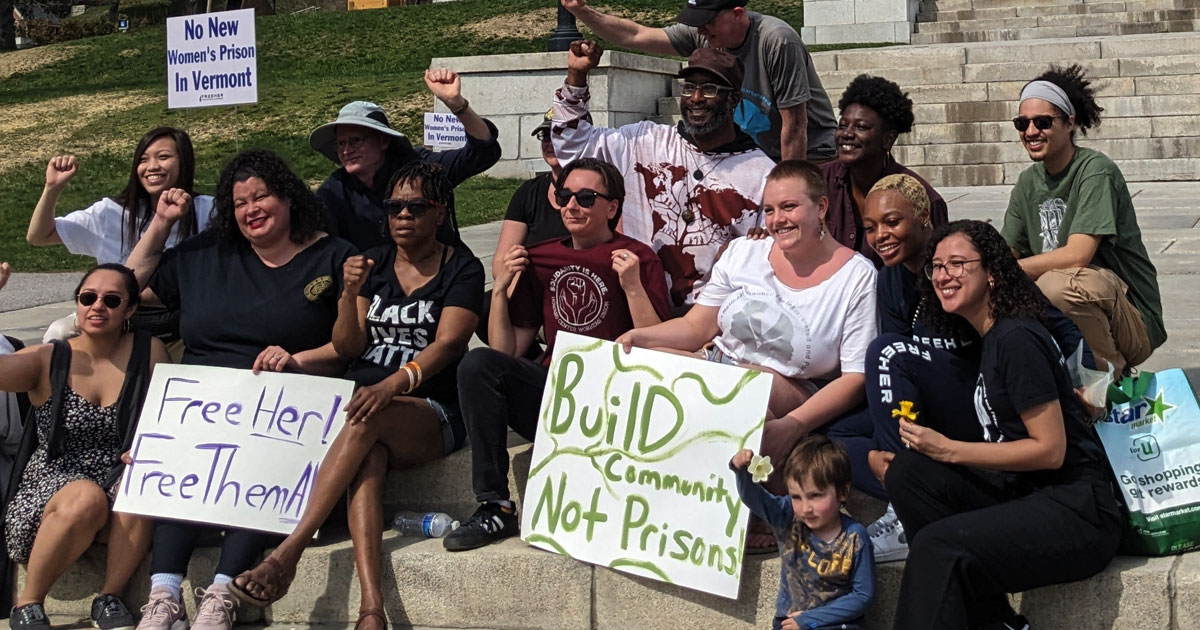
The FreeHer Campaign has been pushing for the decarceration of women in Vermont and throughout New England. The Vermont campaign has been canvassing, running phone banks, and organizing events to mobilize the community.
Below is a selection of upcoming events in Vermont relevant to the left. Have an upcoming event? Let us know.
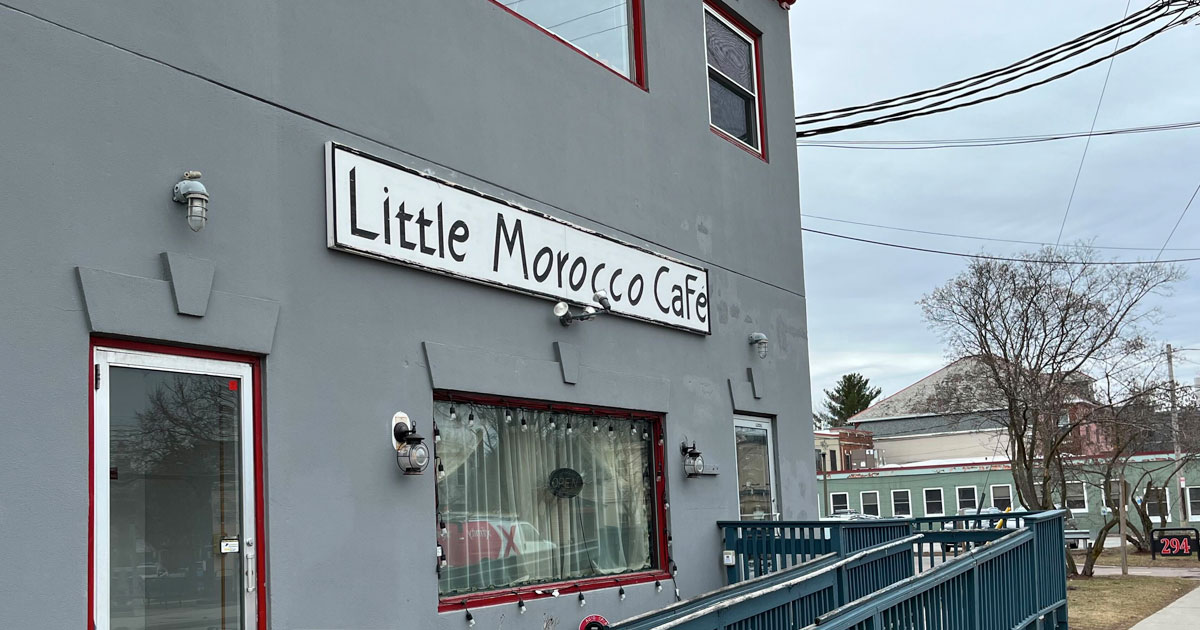
When Ali Amani received his lease renewal agreement last month, he was shocked. Amani, who manages Little Morocco Cafe in the Old North End, read that his monthly rent would increase from $1,875 to $5,000 as of July 31, 2023.

Content warning: This article contains text describing the sexual assault, rape, and abuse of minors.
The State of Vermont has agreed to a $4.5 million settlement in a civil lawsuit filed in December 2021 on behalf of seven youth formerly lodged at Woodside Juvenile Rehabilitation Center.

What does a massive deforestation and land development project by police in Atlanta have to do with Burlington, Vermont, more than a thousand miles away? Follow the money.

Our timeline of 26 different incidents of violence, incompetence, or malfeasance since 2019 should show why activists have good reason to conclude that the mayor, council, and various police chiefs can never hold police accountable.
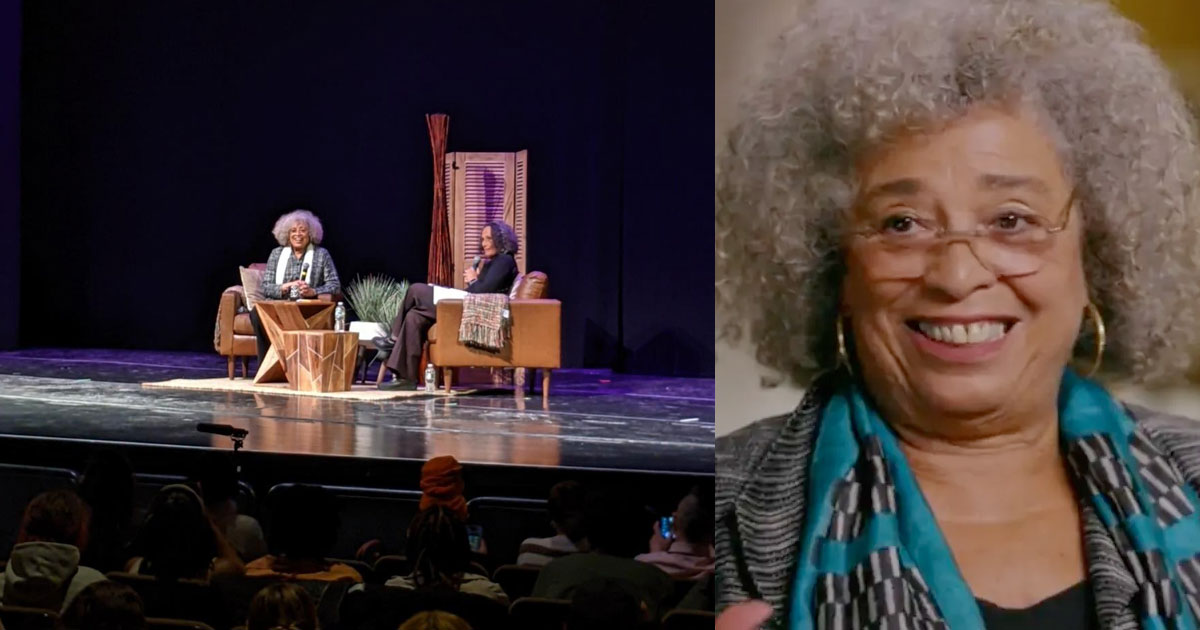
This past weekend at Burlington’s Flynn Theater, the annual Black Experience celebrated Vermont’s Black communities with activists, musicians, and dancers. Billed as “Vermont’s flagship Black History Month” event, Saturday’s activities concluded with an on-stage conversation with Angela Davis.

As Town Meeting Day approaches, more public figures and organizations are intervening in the public debate over one item in particular on Burlington’s ballot: the community control of police charter change.

Members of AFSCME Local 1674, which represents Howard Center employees, voted overwhelmingly in support of
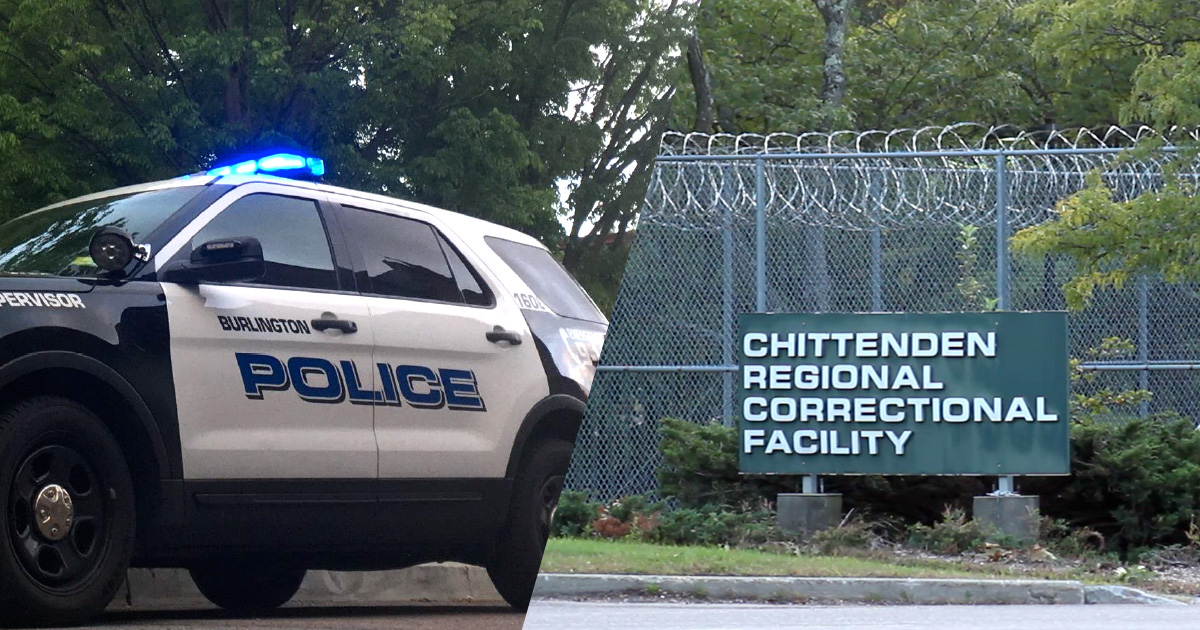
On Tuesday evening, January 24, dozens of local activists and organizers met at the Fletcher Free Library in Burlington to condemn the push for more funding of police and prisons from the state and the city of Burlington. They highlighted non-carceral strategies to create safer, healthier communities with less violence.
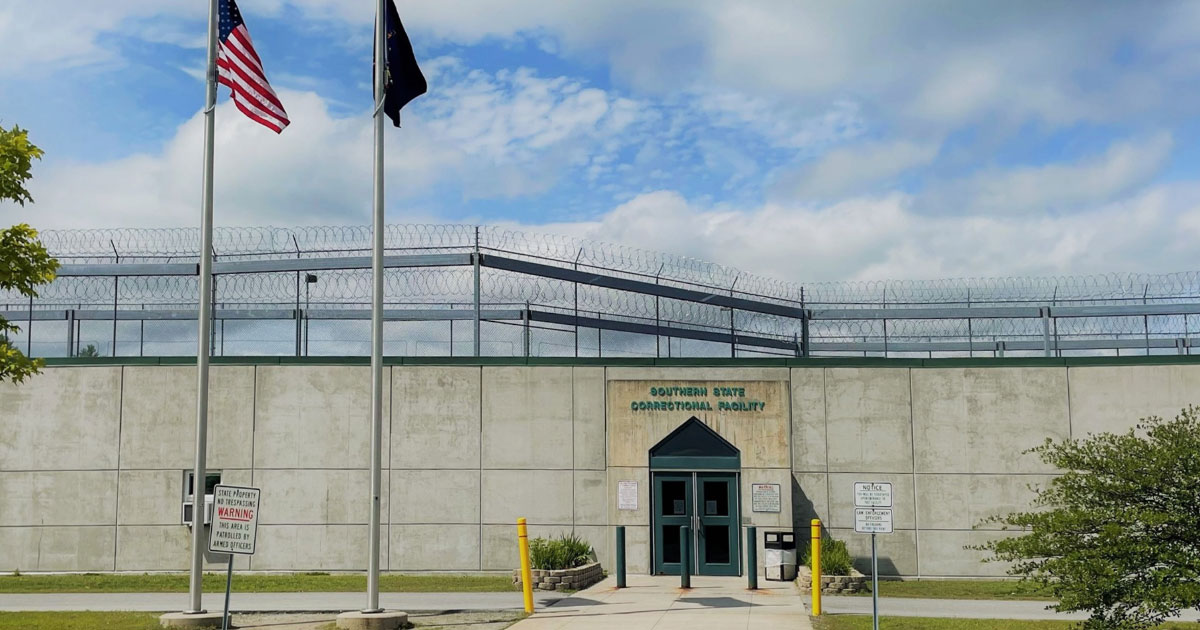
While COVID-19 has put a years-long hold on incarcerated Vermonters performing physically grueling and sometimes dangerous labor for little or no money, dozens if not hundreds of Vermont organizations have used this labor as a way to save money, creating an incentive for municipalities to over-police in exchange for cheap labor.

City Councilor Joan Shannon has hired former Burlington GOP Chair Kolby LaMarche as her campaign manager for her re-election campaign.
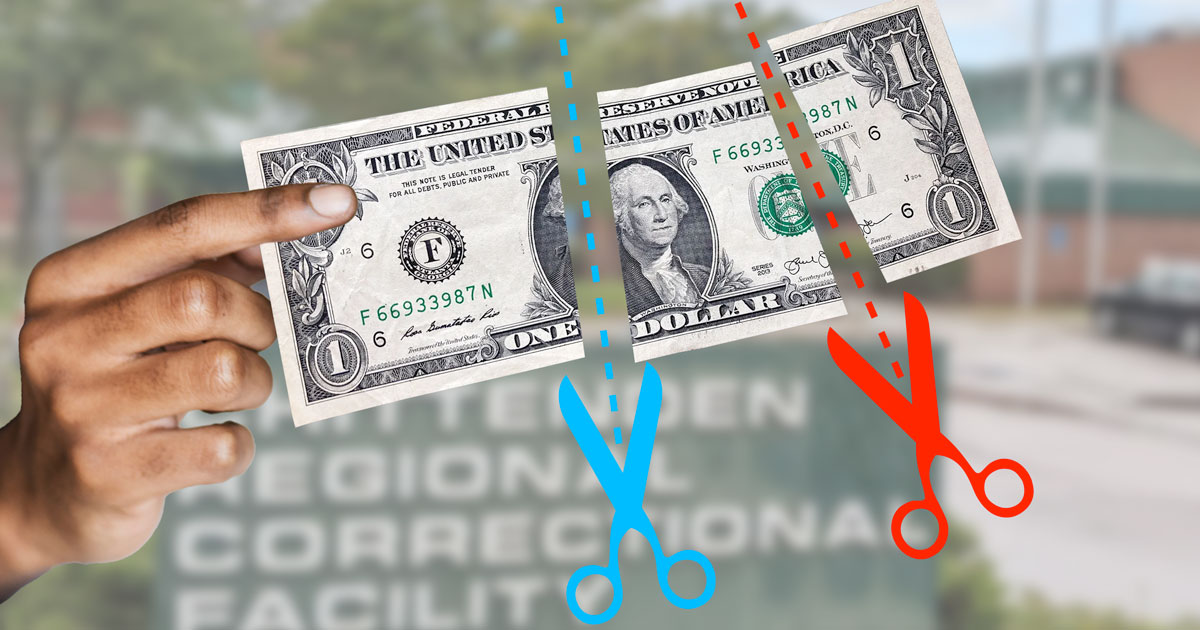
When we look at how some of those services are delivered within the correction system, it’s obvious that folks don’t have any choice in where they get those services, or what price points to get those services at, which creates a real problem when you have very limited resources and an inability to earn those resources. And we also see things costing far more within an incarcerated setting than they might for folks on the outside.

Vermont, like every other state, has contracts between its Department of Corrections and private, for-profit companies to meet incarcerated people’s commissary, media, and telecommunication needs. The State of Vermont allows these corporations to charge prices that far exceed anything paid by Vermonters on the outside. Moreover, the state receives a portion of the proceeds, incentivizing DOC officials to continue the practice without scrutiny or legislative oversight.
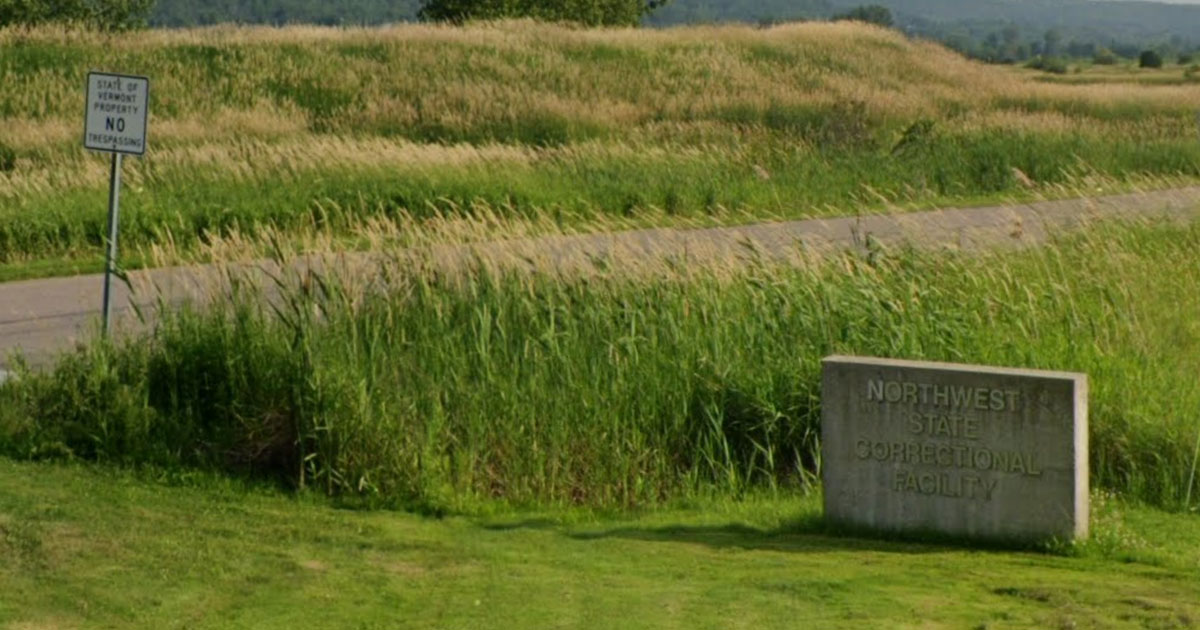
In Part 2 of this series, we look at how Vermont’s incarcerated workers are exploited by the State, the Vermont Department of Corrections, and the many nonprofits and municipalities that employ them.
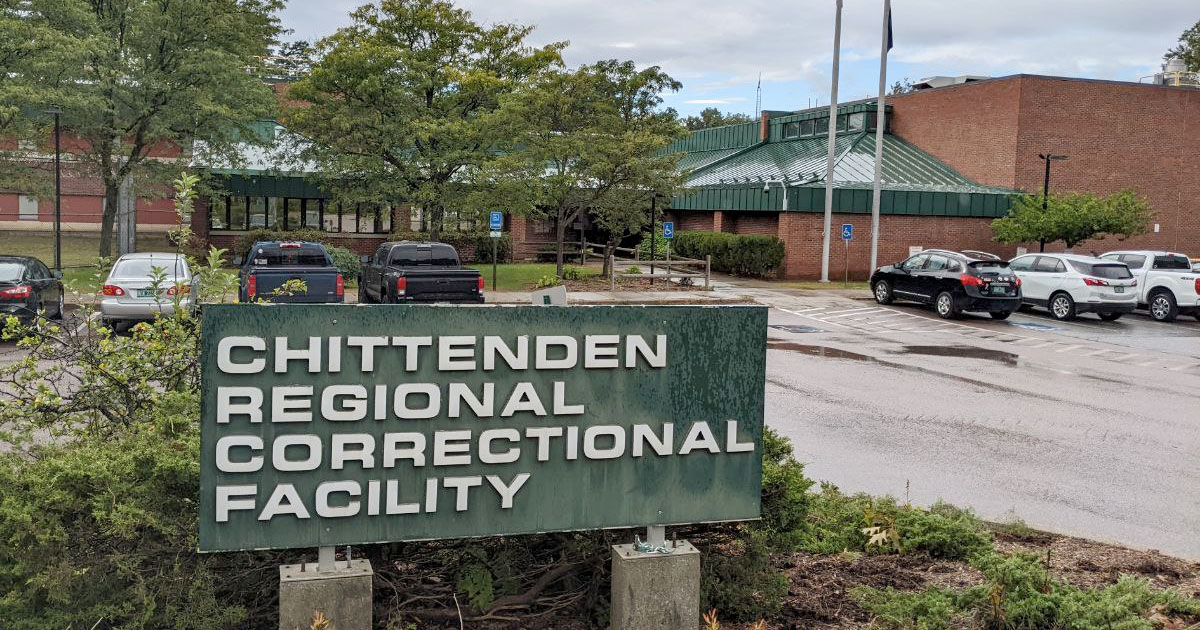
This November, the Vermont Abolish Slavery and Indentured Servitude Amendment to the Vermont State Constitution will be presented to Vermont voters for approval. The bill intends to update Vermont’s Constitution regarding slavery, clarifying that “slavery and indentured servitude in any form are prohibited.”
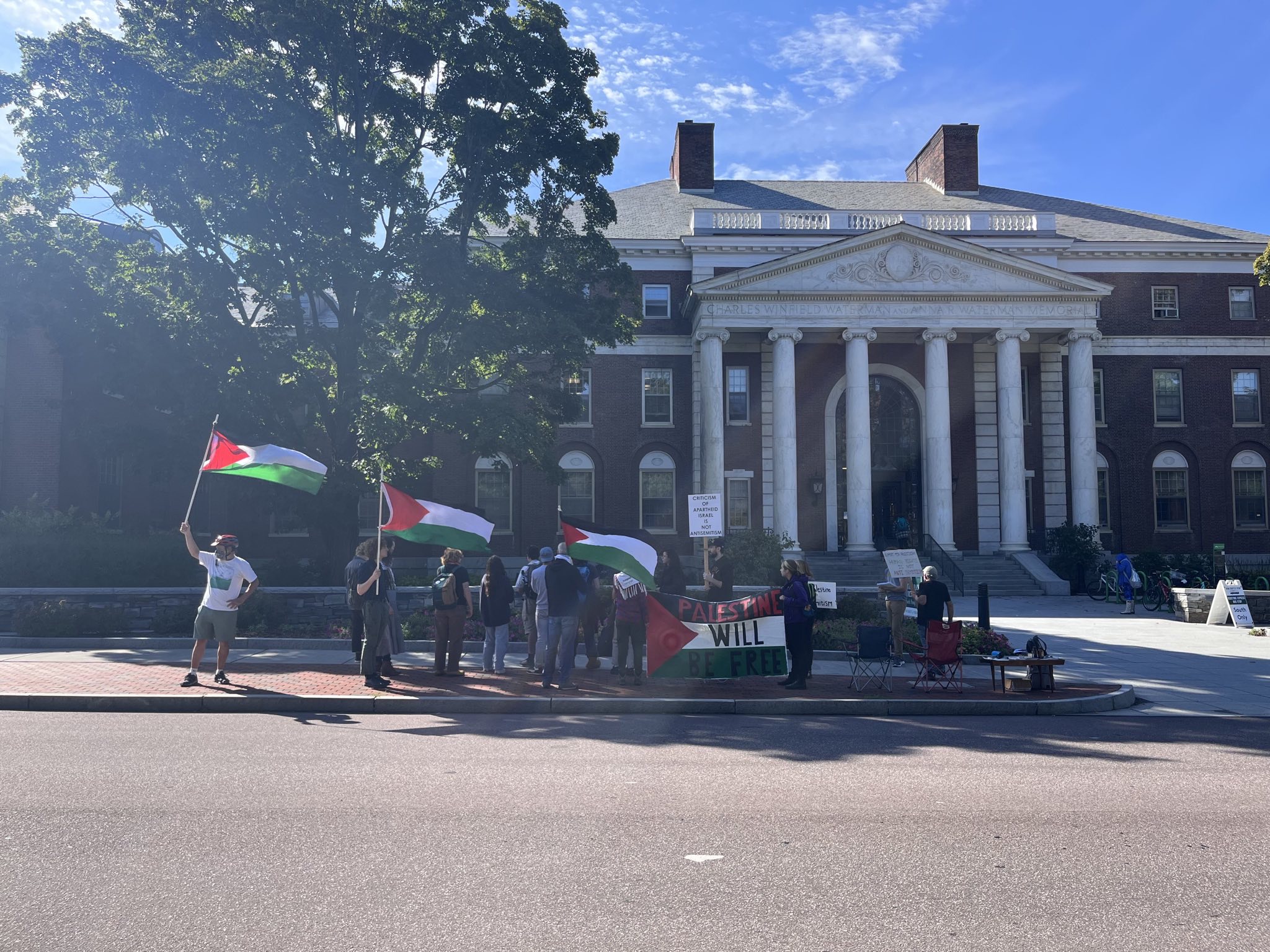
After the U.S. Department of Education’s Office of Civil Rights recently opened an investigation alleging